The Tru Fru Product Recall: What Happened and What Consumers Need to Know
Introduction
Food recalls can catch consumers off guard. One moment you’re enjoying a favorite snack, and the next—boom!—news spreads about a potential safety concern. Recently, conversations across grocery aisles and social media feeds have been buzzing about the tru fru product recall. Naturally, questions started piling up. What exactly happened? Which products were affected? And most importantly—should people worry?
For fans of frozen chocolate-covered fruit snacks, Tru Fru has become something of a household name. Their indulgent treats—real fruit dipped in premium chocolate—have built a loyal fan base. But when whispers of a recall started circulating, consumers understandably wanted answers.
In this article, we’ll unpack the entire story surrounding the tru fru product recall, explore why recalls happen in the food industry, and explain what customers should know moving forward. We’ll also share practical tips for handling food recalls, ensuring safety, and staying informed.
So, let’s dive in and clear the air—because when it comes to food safety, knowledge is power.
Understanding the Tru Fru Product Recall
What Is a Product Recall?
Before jumping into the specifics, it helps to understand what a recall actually means.
A product recall occurs when a company removes products from the market due to safety concerns, labeling issues, contamination risks, or manufacturing errors. Recalls can be initiated by:
- The manufacturer
- Regulatory agencies
- Consumer complaints
- Food safety inspections
In the food industry, recalls often happen to protect consumers from potential health risks. While hearing the word “recall” can sound alarming, it actually shows that safety monitoring systems are working as intended.
Why the Tru Fru Product Recall Gained Attention
The tru fru product recall sparked widespread interest for several reasons:
- Tru Fru products are sold nationwide in major retailers
- The brand has a strong reputation for premium snacks
- Social media amplified the news rapidly
As soon as discussions surfaced online, consumers wanted clarification. Were the snacks unsafe? Were all flavors affected? Should people throw away products sitting in their freezer?
The truth, as it often goes, turned out to be more nuanced than the rumors suggested.
What Products Were Potentially Affected?
While details can vary depending on the situation, recalls typically focus on specific batches rather than an entire brand lineup.
Common examples of products that could be included in recalls like the tru fru product recall might involve:
Frozen Chocolate-Covered Fruit
Popular varieties include:
- Frozen raspberries in dark chocolate
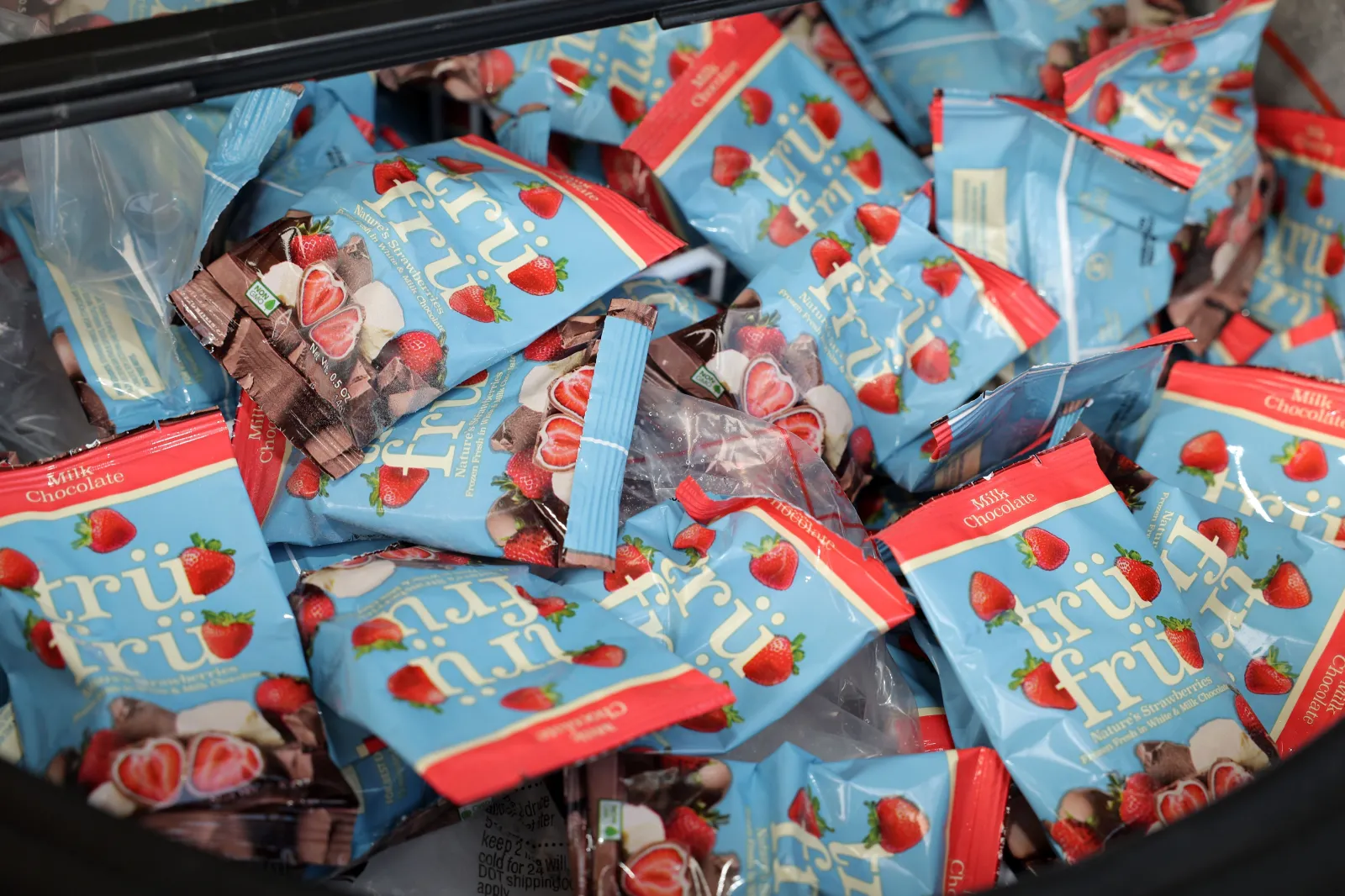
- Frozen strawberries in milk chocolate
- Frozen blueberries in white and dark chocolate
Limited Production Batches
Recalls usually target:
- Specific lot numbers
- Certain production dates
- Particular distribution regions
Consumers are often encouraged to check packaging labels for this information.

Why Food Recalls Happen
Believe it or not, food recalls are more common than most people think. Every year, dozens—sometimes hundreds—of food products are recalled worldwide.
Here are some typical reasons.
1. Possible Contamination
Food contamination can occur due to:
- Bacteria such as Salmonella or Listeria
- Foreign objects in food
- Cross-contamination during manufacturing
Even the slightest suspicion can trigger a recall.
2. Labeling Errors
Sometimes the issue isn’t the food itself—it’s the label.
Common labeling mistakes include:
- Missing allergen warnings
- Incorrect ingredient lists
- Packaging mix-ups
For people with severe allergies, incorrect labeling can pose serious health risks.
3. Packaging Problems
Occasionally, packaging fails to protect the product properly.
Examples include:
- Damaged seals
- Improper storage instructions
- Incorrect expiration dates
How Companies Handle Product Recalls
When a recall occurs, companies typically follow a structured process.
Step 1: Identify the Issue
Manufacturers investigate complaints, test products, and confirm the problem.
Step 2: Notify Authorities
Food companies usually coordinate with government food safety agencies.
Step 3: Announce the Recall
Public announcements may include:
- Press releases
- Retailer notifications
- Social media updates
- Official recall notices
Step 4: Remove Affected Products
Retailers remove items from shelves while consumers are advised to stop using them.
:max_bytes(150000):strip_icc()/Tru-Fru-Recalled-Nationwide-Due-to-Metal-Contamination-3426483231c04ad2a2cc4d27448f23a3.jpg)
What Consumers Should Do During a Recall
Hearing about a recall can feel unsettling—but don’t panic. Most recalls are precautionary.
Here are simple steps consumers should take.
1. Check Your Product
Look for:
- Lot numbers
- Expiration dates
- Product names matching recall notices
2. Stop Consuming the Product
If your item matches recall information, avoid eating it.
3. Follow Company Instructions
Manufacturers typically advise consumers to:
- Return the product for a refund
- Dispose of it safely
- Contact customer support
4. Monitor Updates
Food recall investigations sometimes evolve as new information emerges.
The Role of Food Safety Regulations
Food recalls don’t happen in isolation. Government agencies maintain strict oversight of food safety.
These agencies typically:
- Inspect production facilities
- Investigate contamination risks
- Issue recall alerts
- Enforce food safety laws
Thanks to modern tracking systems, companies can quickly identify affected batches and prevent larger problems.
How Social Media Amplifies Recall News
These days, recall information spreads faster than ever.
Platforms like social media can turn a small safety notice into a trending topic within hours.
While that speed helps alert consumers quickly, it can also create confusion. Misinformation sometimes spreads alongside legitimate warnings.
That’s why it’s always best to verify recall details through official sources.

Why Brands Like Tru Fru Take Recalls Seriously
For food brands, reputation is everything. A recall—even a minor one—can have lasting consequences.
Companies often act quickly because they want to:
- Protect customer health
- Maintain brand trust
- Prevent regulatory penalties
- Preserve product quality standards
In many cases, initiating a recall voluntarily shows that a company is prioritizing safety over short-term profits.
Preventing Future Food Recalls
Food companies continuously improve safety measures to reduce recall risks.
Common strategies include:
Advanced Food Testing
Manufacturers perform laboratory testing for bacteria and contaminants.
Supply Chain Monitoring
Companies track ingredients from farms to production facilities.
Improved Packaging Technology
Modern packaging helps preserve food quality and prevent contamination.
Employee Safety Training
Proper food-handling practices are critical in preventing manufacturing mistakes.
iQOO Neo 10R Review: Specs, Price & Performance
MacBook Running Slow After Update Fix – Proven Solutions That Work
The Impact of the Tru Fru Product Recall on Consumers
When the tru fru product recall entered public discussion, reactions ranged from mild concern to full-blown worry.
However, most consumers simply wanted clarity. After all, food recalls affect everyday decisions—what to eat, what to throw away, and what to buy next.
In many cases, once clear information becomes available, consumer confidence returns fairly quickly.
FAQs About the Tru Fru Product Recall
What caused the tru fru product recall?
Food recalls usually occur due to potential contamination, labeling errors, or packaging concerns. Companies initiate recalls to prevent possible health risks.
Are all Tru Fru products affected?
Typically, recalls involve specific batches or production dates, not an entire product line. Consumers should check official recall notices for exact details.
Should I throw away my Tru Fru snacks?
If your product matches the recall notice, follow the instructions provided by the manufacturer. This may involve returning the product or safely disposing of it.
How can consumers stay informed about food recalls?
Consumers can stay informed by:
- Checking official food safety websites
- Following brand announcements
- Monitoring retailer recall alerts
Are food recalls dangerous?
Not necessarily. Many recalls are precautionary and issued before any confirmed illness occurs.
What This Recall Teaches Consumers
If there’s one takeaway from the tru fru product recall, it’s this: modern food safety systems are constantly working behind the scenes.
When problems arise—even potential ones—companies and regulators move quickly to protect consumers. And while recalls might feel inconvenient, they’re actually an important safeguard.
Think of it like a smoke alarm going off. It might be a false alarm, but it’s still better than ignoring a possible risk.
Conclusion
The story surrounding the tru fru product recall highlights how the food industry handles safety concerns in a fast-moving, interconnected world. From identifying potential issues to informing the public and removing affected products, the recall process exists to keep consumers safe.
For customers, the best approach is simple: stay informed, check product details when recalls occur, and follow official guidance. Most importantly, remember that recalls don’t necessarily mean a brand has failed—it often means the system designed to protect consumers is doing exactly what it’s supposed to do.
At the end of the day, transparency and vigilance help maintain trust between food companies and the people who enjoy their products. And when both sides stay alert, everyone benefits.