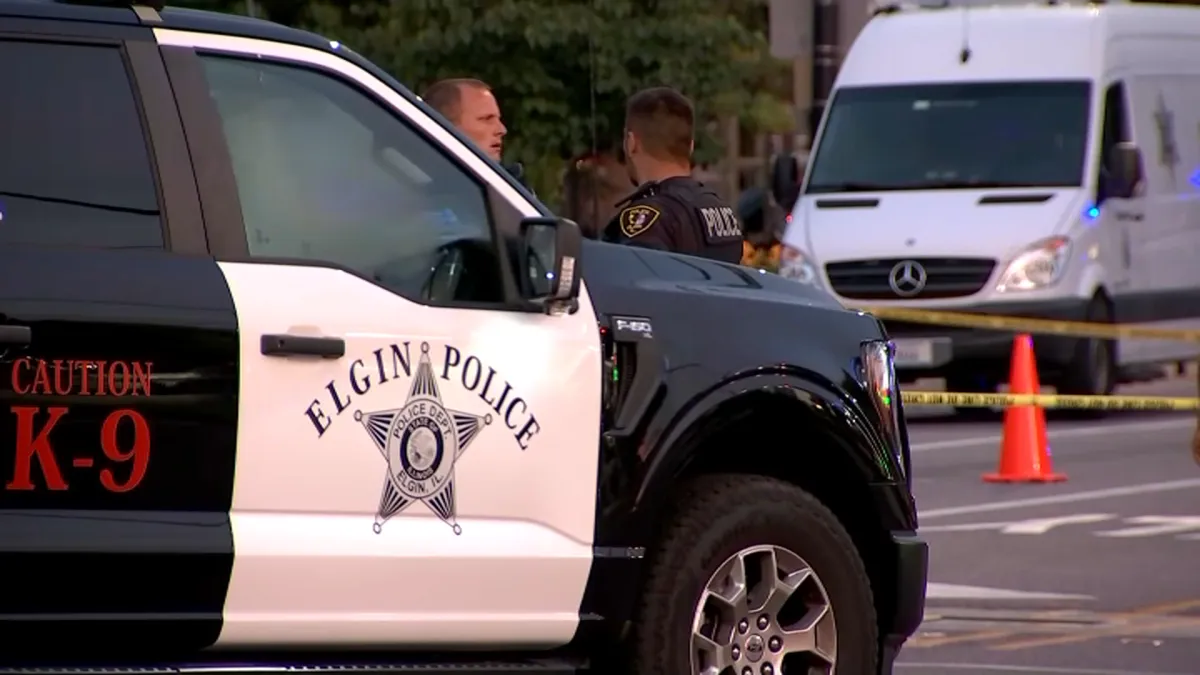
Elgin Police Officer Placed on Leave: Investigation, Details
Introduction
The news of an Elgin police officer placed on leave has drawn public attention as authorities review the circumstances surrounding the case. When a law enforcement officer is placed on administrative leave, it typically means an internal investigation is underway to determine whether department policies were violated or if further disciplinary action is necessary.
Situations like this are handled carefully by police departments to maintain transparency, protect due process, and ensure public trust. The Elgin Police Department and local authorities follow established procedures during such investigations. This article explains what it means when an officer is placed on leave, why departments take this step, and what happens next in the investigation process.
What Does “Elgin Police Officer Placed on Leave” Mean?
Direct Answer (50 words):
When an Elgin police officer is placed on leave, it usually means the officer has been temporarily removed from active duty while an internal or external investigation takes place. This administrative step allows investigators to review the situation without interference while protecting both the officer’s rights and public accountability.
Administrative leave is a common procedure in law enforcement agencies across the United States. It does not automatically mean the officer has committed wrongdoing. Instead, it provides time for investigators to gather facts, interview witnesses, and evaluate evidence before reaching conclusions.
Departments often place officers on paid administrative leave during investigations to maintain fairness and avoid premature disciplinary actions.
Why Police Officers Are Placed on Administrative Leave
Policy Review or Misconduct Allegations
Direct Answer (50 words):
Police officers are often placed on administrative leave when allegations of misconduct, policy violations, or use-of-force incidents require investigation. This step helps ensure an unbiased review of the situation.
Possible reasons include:
- Use-of-force incidents
- Public complaints
- Internal policy violations
- Officer-involved incidents
Departments must follow strict investigative procedures to maintain transparency and legal compliance.
Internal Affairs Investigation
Direct Answer (45 words):
Most police departments assign internal investigations to specialized divisions that review officer conduct and compliance with department policies.
The Internal Affairs Division collects evidence, reviews body camera footage, and interviews witnesses to determine whether disciplinary action is warranted.
These investigations ensure accountability within law enforcement agencies.
Role of the Elgin Police Department in the Investigation
Direct Answer (50 words):
The Elgin Police Department is responsible for initiating and managing the investigation when one of its officers is placed on leave. Depending on the case, outside agencies may also assist.
Departments often work with prosecutors, independent investigators, or oversight bodies to ensure fairness and transparency.
This collaborative process helps maintain public trust in law enforcement operations.
Cliqly Review: Features, Earnings & Legitimacy Explained
5starsstocks .com: Review, Features & Investment Insights
What Happens During the Investigation Process?
Direct Answer (55 words):
After an officer is placed on leave, investigators begin gathering evidence, reviewing reports, and conducting interviews to determine what occurred.
The process may include:
- Reviewing body camera footage
- Examining police reports
- Interviewing witnesses and officers
- Analyzing department policies
Investigations can take weeks or months depending on complexity and the amount of evidence involved.
MacBook Running Slow After Update Fix – Proven Solutions That Work
New Gadgets News 2026: Latest Tech Innovations and Trends
Possible Outcomes After the Investigation
Officer Cleared of Wrongdoing
Direct Answer (45 words):
If investigators determine that the officer followed department policies and laws, the officer may be cleared and allowed to return to active duty.
This outcome means the evidence did not support allegations of misconduct or policy violations.
Departments typically release official statements after conclusions are reached.
Disciplinary Action or Further Review
Direct Answer (50 words):
If investigators find violations, disciplinary action may occur. This can range from retraining to suspension or termination.
Possible outcomes include:
- Formal warning
- Mandatory training
- Suspension without pay
- Termination
In serious cases, criminal charges may also be reviewed by prosecutors.
314159u Explained | Meaning, Uses & Significance
iQOO Neo 10R Review: Specs, Price & Performance
Public Transparency and Community Response
Direct Answer (50 words):
Police departments often release limited public information during investigations to protect due process while maintaining transparency.
Community members and local leaders may request updates, especially when incidents involve public safety or use of force.
Public communication helps maintain trust between law enforcement agencies and the communities they serve.
Dyson Supersonic Hair Dryer Honest Review 2026
Redbox On Demand Promo Code 2026 | Save on Movie Rentals
Importance of Due Process in Police Investigations
Direct Answer (50 words):
Due process ensures that officers under investigation are treated fairly while accountability is maintained. Law enforcement agencies must balance transparency with legal protections.
Proper investigative procedures prevent false accusations while also ensuring that legitimate concerns are addressed.
Maintaining this balance is essential for both justice and public confidence.
How Long Administrative Leave Typically Lasts
Direct Answer (50 words):
Administrative leave can last anywhere from a few days to several months depending on the complexity of the investigation.
Factors influencing the timeline include:
- Amount of evidence
- Number of witnesses
- Legal review requirements
- Cooperation with external agencies
Complex cases often require longer investigative periods.
Conclusion
The case of an Elgin police officer placed on leave highlights how law enforcement agencies manage internal investigations while maintaining fairness and accountability. Administrative leave is a procedural step used to allow investigators to examine allegations, review evidence, and ensure that department policies are followed.
While investigations can take time, they are essential for protecting both public trust and the rights of officers involved. As updates become available, the Elgin Police Department and local authorities typically release official statements explaining the outcome of the review. Transparency and due process remain critical components of responsible policing and community trust.
$2000 Federal Direct Deposit Update & Eligibility
Alaska Interior Snow Warning: Latest Updates, Safety Tips & Forecast
FAQs
1. Why was an Elgin police officer placed on leave?
An officer may be placed on leave when an investigation is needed to review allegations, policy violations, or incidents involving officer conduct.
2. Does administrative leave mean the officer is guilty?
No. Administrative leave is a temporary step during investigations and does not mean wrongdoing has been proven.
3. Who investigates police officers in Elgin?
The Elgin Police Department’s Internal Affairs Division usually conducts the investigation, sometimes with assistance from external agencies.
4. How long does a police investigation take?
Investigations can last from a few weeks to several months depending on the complexity and evidence involved.
5. Can the officer return to work after being placed on leave?
Yes. If the investigation clears the officer of wrongdoing, they may return to active duty.