Robotics: From Automatons to the Roomba, a Brief History
Introduction
Robotics has become one of the most exciting and transformative fields of modern technology. From manufacturing cars and performing life-saving surgeries to cleaning homes and exploring distant planets, robots are changing the way people live and work. Today, intelligent machines powered by artificial intelligence (AI), sensors, and advanced software can complete tasks that once required human effort. However, the story of robotics did not begin with computers or AI. Its roots stretch back thousands of years to ancient civilizations that dreamed of creating machines capable of moving and acting on their own.
Understanding Robotics: From Automatons to the Roomba, a Brief History reveals how centuries of engineering, creativity, and scientific discovery shaped the robots we use today. Early inventors built mechanical automatons using gears, pulleys, water, and clockwork mechanisms. Over time, these inventions evolved into programmable industrial robots, intelligent service machines, and consumer devices like the Roomba robotic vacuum.
Today, robotics is more than just a branch of engineering—it is a driving force behind innovation in healthcare, education, agriculture, logistics, manufacturing, and space exploration. As AI continues to advance, robots are becoming smarter, safer, and more capable of working alongside humans. This article explores the remarkable journey of robotics, highlighting the major milestones, influential inventors, and groundbreaking technologies that transformed simple mechanical devices into intelligent machines shaping our future.
What Is Robotics?
Robotics is a multidisciplinary field that combines mechanical engineering, electrical engineering, computer science, electronics, and artificial intelligence to design, build, program, and operate robots. A robot is a programmable machine that can perform tasks automatically or with minimal human intervention. Unlike ordinary machines, robots can sense their environment, process information, make decisions, and interact with the world around them.
Modern robots are equipped with sensors, cameras, motors, processors, and software that enable them to perform a wide range of activities. Some robots are designed to assemble automobiles in factories, while others assist doctors during complex surgeries, deliver packages, inspect underwater pipelines, or explore distant planets where humans cannot safely travel.
Why Robotics Matters
Robotics plays a crucial role in improving productivity, safety, and efficiency across many industries. By automating repetitive or dangerous tasks, robots reduce workplace injuries and increase production quality. Businesses benefit from faster manufacturing processes, while consumers enjoy smarter products and services.
Today, robotics is widely used in:
- Manufacturing and industrial automation
- Healthcare and robotic surgery
- Agriculture and precision farming
- Warehousing and logistics
- Education and STEM learning
- Military and defense
- Space exploration
- Smart homes and personal assistance
As technology advances, robots are becoming more affordable and accessible, making them an essential part of everyday life.
How to Make Money Online | 25 Ways to Build Income in 2026
Core Technologies Behind Robotics
Modern robotics relies on several key technologies working together:
- Artificial Intelligence (AI): Enables robots to make decisions and solve problems.
- Machine Learning: Allows robots to improve performance by learning from data.
- Computer Vision: Helps robots recognize objects, people, and environments using cameras.
- Sensors: Detect movement, pressure, temperature, distance, and obstacles.
- Actuators and Motors: Control a robot’s physical movements.
- Autonomous Navigation: Allows robots to move independently using maps and sensors.
- Internet of Things (IoT): Connects robots with other smart devices and cloud systems.
Together, these technologies enable robots to perform tasks with speed, precision, and adaptability.
The Origins of Robotics
The idea of creating machines that could move on their own is much older than modern technology. Ancient civilizations imagined and built mechanical devices that amazed people with their ability to imitate life.
Ancient Greek Automatons
One of the earliest pioneers of automation was Hero of Alexandria, a Greek mathematician and engineer who lived during the first century CE. Hero designed remarkable devices such as self-opening temple doors, automated theaters, and water-powered mechanisms.
His inventions used air pressure, steam, pulleys, and gears to create movement without continuous human control. Although simple by today’s standards, these machines introduced the basic concept of automation and inspired future engineers.
How to Disable Instagram: Complete Guide to Temporarily Deactivate Your Account
Chinese Mechanical Innovations
Ancient China also made important contributions to early robotics. Historical records describe mechanical birds, automated musicians, and humanoid figures created for emperors and royal courts.
Chinese inventors developed complex gear systems and hydraulic mechanisms that demonstrated advanced engineering skills. These creations reflected humanity’s long-standing fascination with building machines capable of imitating living beings.
Engineering During the Islamic Golden Age
Between the 9th and 13th centuries, engineers of the Islamic Golden Age made significant advancements in automation. The Banū Mūsā brothers documented more than one hundred ingenious mechanical devices in their Book of Ingenious Devices.
Later, the famous inventor Al-Jazari designed programmable water clocks, automatic handwashing machines, musical automatons, and sophisticated hydraulic systems. Many historians regard Al-Jazari as one of the pioneers of robotics because his inventions introduced concepts similar to programmable mechanical systems used in modern engineering.
Leonardo da Vinci’s Vision
During the Renaissance, Leonardo da Vinci designed a mechanical knight capable of moving its head, arms, and jaw through an intricate system of gears and cables.
Although never built during his lifetime, modern engineers successfully recreated the design centuries later, proving that Leonardo’s concepts were mechanically sound. His work demonstrated an extraordinary understanding of anatomy and engineering, making him one of history’s greatest innovators.
John Collison and Arash Ferdowsi: Visionary Entrepreneurs Transforming Technology
The Evolution of Mechanical Automatons
As engineering techniques improved, inventors created increasingly sophisticated automatons that entertained audiences while advancing mechanical science
Clockwork Engineering
The development of precision clocks during the Middle Ages revolutionized automation. Clockmakers designed intricate gear systems capable of powering moving figures that rang bells, displayed astronomical events, and performed synchronized actions.
These clockwork mechanisms demonstrated how carefully engineered machines could operate automatically for long periods.
Mechanical Dolls and Entertainment
During the 17th and 18th centuries, European craftsmen built lifelike mechanical dolls capable of writing messages, drawing pictures, playing musical instruments, and serving tea.
These remarkable creations showcased incredible craftsmanship and inspired public fascination with automated machines. Although powered by springs and gears rather than electricity, they represented an important step toward programmable robotics.
Scientific Progress
The Scientific Revolution accelerated advances in mechanics, mathematics, and manufacturing. Improved metalworking techniques allowed engineers to build stronger, more precise gears and mechanical components.
This progress transformed automatons from novelty items into practical engineering achievements, laying the groundwork for industrial automation.
The Birth of Modern Robotics
The transition from mechanical devices to programmable robots began in the early 20th century. In 1920, Czech playwright Karel Čapek introduced the word “robot” in his play R.U.R. (Rossum’s Universal Robots). Derived from the Czech word robota, meaning forced labor, the term quickly became associated with intelligent machines designed to perform work for humans.
Later, science fiction author Isaac Asimov introduced the famous Three Laws of Robotics, which emphasized robot safety and ethical behavior. Although fictional, these ideas influenced robotics research and public understanding of human-robot interaction.
The invention of electronic computers after World War II transformed robotics from imagination into reality. Engineers could now program machines to perform complex tasks automatically, opening the door to industrial robotics.

Industrial Robotics Revolution
A major milestone arrived in 1961 when Unimate, the world’s first industrial robot, was installed at a General Motors factory. Developed by George Devol and Joseph Engelberger, Unimate handled hot metal parts and repetitive welding tasks that were dangerous for human workers.
Its success proved that robots could improve productivity, consistency, and workplace safety. Soon, industries worldwide adopted robotic systems for welding, painting, assembly, packaging, and quality inspection.
Today, industrial robots are essential in automotive manufacturing, electronics production, food processing, and logistics. Modern robotic arms operate with incredible speed and precision, often working continuously around the clock. Their widespread adoption has revolutionized manufacturing, reduced production costs, and paved the way for the intelligent robots we see today.
Robotics and Artificial Intelligence
The integration of Artificial Intelligence (AI) has transformed robots from simple programmable machines into intelligent systems capable of learning, adapting, and making decisions. Traditional robots followed fixed instructions, but AI-powered robots can analyze data, recognize patterns, and improve their performance through experience.
One of the most important technologies behind modern robotics is Machine Learning (ML). Machine learning enables robots to process large amounts of information and continuously improve without being manually reprogrammed. For example, warehouse robots learn the most efficient routes, while autonomous vehicles adapt to changing traffic conditions.
Another key technology is Computer Vision, which allows robots to interpret visual information using cameras and image-processing algorithms. Computer vision helps robots recognize faces, identify objects, inspect products for defects, and navigate complex environments safely.
Modern robots also rely on advanced sensors, including LiDAR, infrared sensors, ultrasonic sensors, GPS, and touch sensors. These technologies help robots understand their surroundings, avoid obstacles, and interact safely with humans.
Together, AI, machine learning, sensors, and autonomous navigation have made robots smarter, more flexible, and capable of performing tasks that were once considered impossible.
Consumer Robotics and the Rise of Smart Homes
While robotics initially focused on industrial applications, it has now become an essential part of everyday life. Consumer robots are designed to make household tasks easier, improve convenience, and enhance quality of life.
Robot Vacuum Cleaners
Robot vacuum cleaners are among the most successful consumer robots ever created. These intelligent devices automatically clean floors, avoid obstacles, detect dirt, and return to their charging stations when their batteries are low. Their popularity has introduced millions of people to home robotics.
Educational Robots
Educational robots are helping students learn programming, engineering, and STEM subjects in a practical way. Schools and universities use programmable robots to teach coding, robotics design, and problem-solving skills, preparing students for future careers in technology.

Healthcare Robots
Healthcare has become one of the fastest-growing areas of robotics. Surgical robots assist doctors during delicate operations, rehabilitation robots help patients recover from injuries, and robotic assistants deliver medicines and supplies within hospitals. These innovations improve precision, reduce recovery times, and enhance patient care.
Personal Assistant Robots
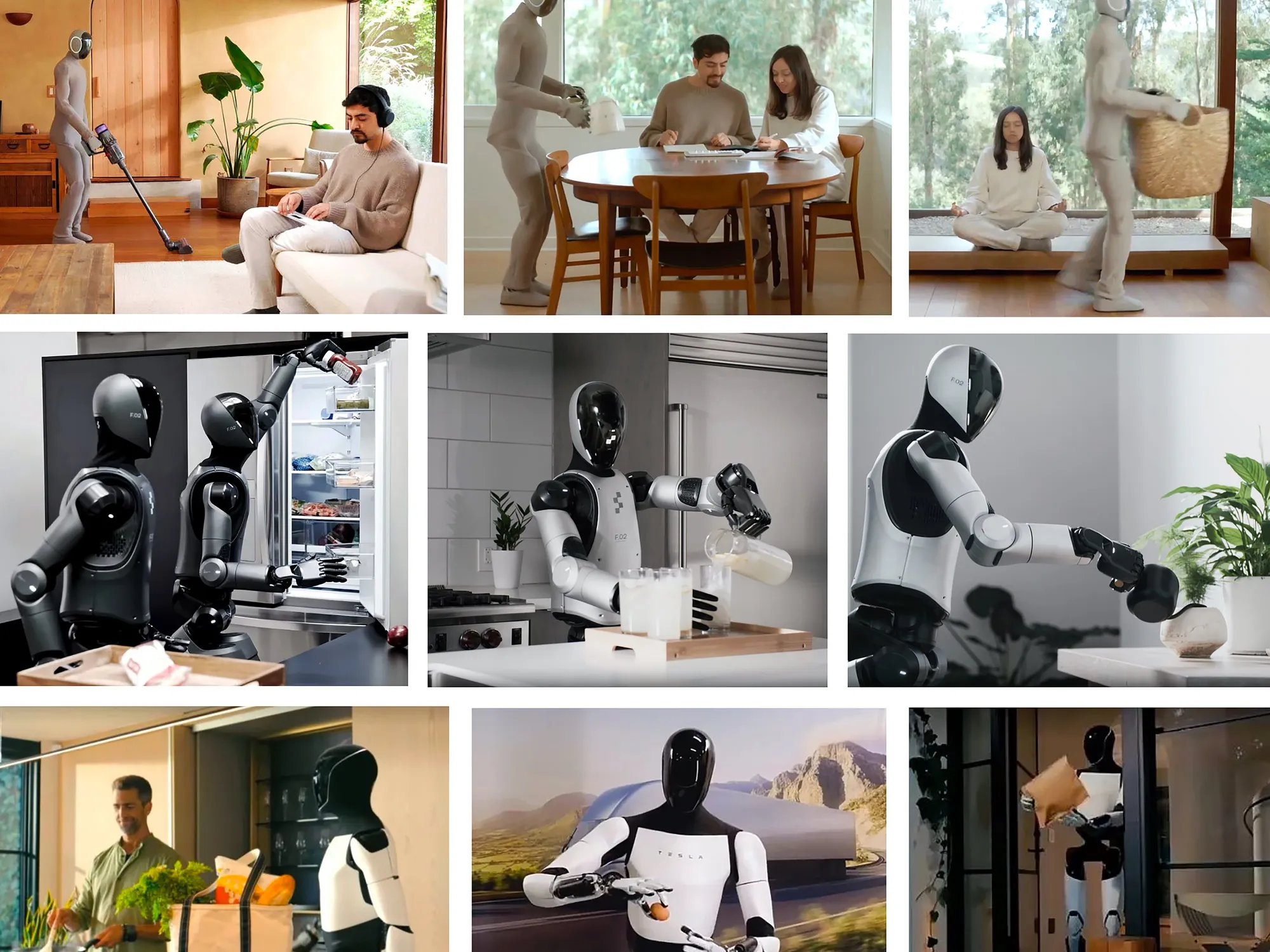
Modern personal robots can answer questions, control smart home devices, monitor home security, and remind users about important tasks. As AI continues to improve, these robots are becoming more interactive and capable of understanding natural language, making them valuable companions for homes and workplaces.
The Story Behind the Roomba
One of the most significant milestones in consumer robotics was the launch of the Roomba robotic vacuum cleaner by iRobot in 2002. The company aimed to create an affordable robot that could automatically clean homes without requiring constant supervision.
Unlike traditional vacuum cleaners, Roomba could navigate rooms, avoid furniture, detect stairs, and return to its charging dock automatically. Early models used infrared sensors and basic navigation algorithms, while modern versions include advanced AI-powered mapping, laser navigation, obstacle recognition, Wi-Fi connectivity, and smartphone app integration.
Some premium Roomba models can even remember room layouts, identify heavily soiled areas, empty their dustbins automatically, and respond to voice commands through virtual assistants like Amazon Alexa and Google Assistant.
The Roomba transformed household robotics by proving that intelligent robots could provide real practical value in everyday life. Its commercial success inspired the development of robotic lawn mowers, window-cleaning robots, pool-cleaning robots, and many other smart home devices.
Today, the Roomba remains one of the world’s most recognized consumer robots and continues to influence innovation in home automation.
Robotics Today
Modern robotics has expanded far beyond factories and homes. Robots now assist professionals across numerous industries and operate in environments that are too dangerous or inaccessible for humans.
Healthcare
Medical robots assist surgeons during minimally invasive procedures, improving precision and reducing patient recovery time. Hospitals also use robots to transport medicines, disinfect rooms, and support elderly patients.
Manufacturing
Industrial robots remain the backbone of modern manufacturing. They assemble electronics, weld automobile parts, package consumer goods, and inspect products with remarkable accuracy.
Agriculture
Agricultural robots help farmers monitor crop health, plant seeds, harvest produce, spray fertilizers, and reduce water usage through precision farming techniques.
Warehousing and Logistics
Companies like Amazon use autonomous warehouse robots to move inventory quickly and efficiently. Delivery robots and autonomous drones are also being tested for last-mile delivery services.
Space Exploration
Space agencies rely on robotic technology to explore planets and gather scientific data. Robotic rovers have successfully explored the surface of Mars, collecting valuable information that would be impossible to obtain using human astronauts alone.
Humanoid Robots
Humanoid robots are designed to resemble and interact with humans. Although still under development, they are increasingly used in research laboratories, customer service, healthcare, and education. Their ability to communicate naturally makes them ideal for roles that require human interaction.
The Future of Robotics
The future of robotics is closely connected with advances in artificial intelligence, cloud computing, and machine learning. Future robots will become more intelligent, collaborative, and autonomous.
Several important trends are shaping the future:
- AI-powered robots capable of making independent decisions.
- Collaborative robots (cobots) designed to work safely alongside humans.
- Self-driving vehicles and autonomous transportation systems.
- Smart factories powered by connected robotic systems.
- AI assistants for elderly care and healthcare support.
- Disaster response robots capable of operating in dangerous environments.
- Space exploration robots for missions to the Moon and Mars.
As robots become increasingly intelligent, ethical concerns surrounding privacy, cybersecurity, job displacement, and responsible AI development will become even more important. Governments, researchers, and technology companies must work together to ensure robotics benefits society while minimizing potential risks.
Advantages of Robotics
Robotics offers numerous benefits across industries and everyday life:
- Improves productivity and efficiency.
- Performs dangerous tasks safely.
- Increases manufacturing accuracy.
- Reduces operational costs over time.
- Operates continuously with minimal downtime.
- Supports healthcare through robotic surgery.
- Assists elderly and disabled individuals.
- Enhances space and underwater exploration.
- Improves agricultural productivity.
- Makes household chores easier through smart home robots.
Challenges and Limitations
Despite its many advantages, robotics also faces several challenges:
- High development and maintenance costs.
- Job displacement in certain industries.
- Cybersecurity risks.
- Ethical concerns regarding AI decision-making.
- Limited adaptability in unpredictable environments.
- Dependence on electricity and software systems.
- Privacy concerns with connected robots.
- Complex programming and maintenance requirements.
Addressing these challenges will be essential as robotics continues to evolve.
Major Milestones in Robotics History
| Year/Period | Milestone |
|---|---|
| Ancient Greece | Hero of Alexandria designs early automatons. |
| Ancient China | Mechanical birds and humanoid machines are created. |
| 9th–13th Century | Banū Mūsā brothers and Al-Jazari develop programmable mechanical devices. |
| Renaissance | Leonardo da Vinci designs a mechanical knight. |
| 1920 | Karel Čapek introduces the word “Robot.” |
| 1942 | Isaac Asimov proposes the Three Laws of Robotics. |
| 1961 | Unimate becomes the first industrial robot. |
| 1980s | Industrial robots become common in manufacturing. |
| 2002 | iRobot launches the Roomba robotic vacuum cleaner. |
| Today | AI-powered robots assist industries, homes, hospitals, and space missions |
FAQs
1. What is robotics?
Robotics is the field of engineering and computer science focused on designing, building, programming, and operating robots.
2. Who invented the first robot?
There is no single inventor, but George Devol created Unimate, the first industrial robot.
3. Who introduced the word “robot”?
Czech playwright Karel Čapek introduced the term in 1920.
4. What is an automaton?
An automaton is a self-operating mechanical device designed to perform specific actions automatically.
5. What is the Roomba?
Roomba is a robotic vacuum cleaner introduced by iRobot in 2002 that automatically cleans floors.
6. How is AI used in robotics?
AI enables robots to learn, recognize objects, make decisions, and perform tasks autonomously.
7. Where are robots commonly used?
Robots are widely used in manufacturing, healthcare, agriculture, logistics, education, homes, and space exploration.
8. What are collaborative robots?
Collaborative robots, or cobots, are designed to work safely alongside humans.
9. Will robots replace humans?
Robots will automate repetitive tasks, but they are more likely to work alongside humans rather than completely replace them.
10. What is the future of robotics?
The future includes smarter AI-powered robots, autonomous systems, advanced healthcare robotics, and increased human-robot collaboration.
Conclusion
The journey of Robotics: From Automatons to the Roomba, a Brief History demonstrates humanity’s remarkable pursuit of innovation. From the ingenious mechanical automatons of ancient Greece, China, and the Islamic Golden Age to Leonardo da Vinci’s visionary designs and the revolutionary industrial robots of the 20th century, robotics has continuously evolved alongside scientific and technological progress.
Today, robots powered by artificial intelligence, machine learning, and advanced sensors are transforming industries, improving healthcare, supporting scientific research, and making everyday life more convenient. The success of the Roomba proved that robotics could become an essential part of ordinary households, opening the door to a new generation of smart home devices.
As robotics continues to advance, the collaboration between humans and intelligent machines will shape the future of manufacturing, transportation, healthcare, agriculture, and space exploration. While challenges such as ethics, cybersecurity, and workforce adaptation remain, the potential benefits of robotics are far greater. Understanding its history helps us appreciate how far this technology has come—and how it will continue to redefine the future of human innovation.